
Pain in the back of the knee: Causes and when it becomes dangerous
19. January 2026
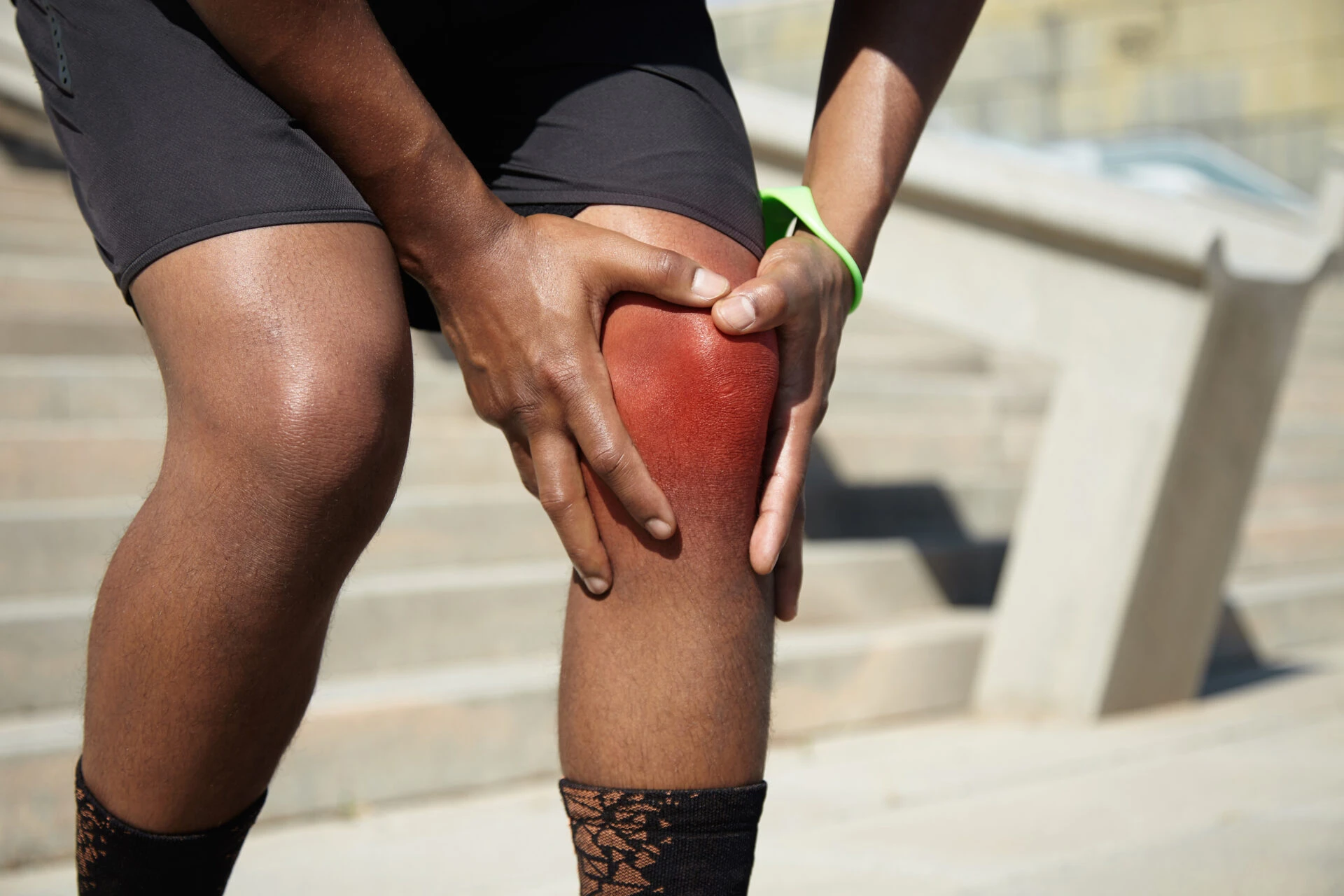
Pain in the back of the knee often occurs suddenly: when climbing stairs, after sport or even at rest. Many patients then ask themselves: Is this just harmless tension or is there something more serious behind it?
There are many causes of pain in the hollow of the knee. Some are harmless and disappear by themselves, others should be clarified by an orthopaedic specialist at an early stage.
The popliteal fossa is located at the back of the knee joint. It runs here:
- Important blood vessels
- Nerves
- Tendons and muscles
Due to this complex structure, pain in this area can have different causes.
Common causes of pain in the hollow of the knee
1. muscle tension or strain
After unusual exertion, sport or prolonged sitting, the hamstrings can become tense or overloaded.
Typical signs:
- Drawing pain when stretching the leg
- Complaints after sporting activity
- Pressure sensitivity
This cause is usually harmless and improves within a few days.
2. baker’s cyst
One of the most common causes of pain in the hollow of the knee is Baker’s cyst. This is a fluid-filled protrusion of the joint capsule.
Typical symptoms:
- Feeling of pressure or tension in the hollow of the knee
- Swelling behind the knee
- Pain when bending or stretching
A Baker’s cyst often develops in connection with:
- Knee osteoarthritis
- Meniscus damage
- Inflammation in the knee joint
3. meniscus damage
A meniscus tear can also cause pain in the back of the knee, especially if the posterior part of the meniscus is affected.
Indications of meniscus damage:
- Pain during rotational movements
- Sharp pain when bending
- Locking sensation in the knee
4. tendon irritation
The tendons of the posterior thigh muscles start in the hollow of the knee. They can become irritated if overloaded or incorrectly loaded.
Typical:
- Pain when climbing stairs
- Complaints after sport
- Pressure pain on the back of the knee
5. thrombosis
In rare cases, pain in the back of the knee can indicate a thrombosis. This is when a blood clot forms in a vein.
Warning signs:
- Severe, sudden onset of pain
- Swelling of the lower leg
- Overheating or redness
In such cases, medical advice should be sought immediately.
When should I see an orthopaedist if I have pain in the back of my knee?
An orthopaedic examination is advisable if:
- the pain lasts longer than 5-7 days
- the knee is swollen
- Movement restrictions occur
- was preceded by an accident or a twist
- the pain keeps recurring
An early diagnosis can help to prevent major damage to the knee, especially if symptoms persist.
How is the cause determined?
Different methods are used in the orthopaedic examination depending on the situation:
- Clinical examination
- Mobility
- Pressure points
- Stability of the knee
- Ultrasound
- Particularly suitable for detecting a Baker’s cyst
- X-ray
- If wear and tear (osteoarthritis) is suspected
- MRI
- If meniscus or cartilage damage is suspected
What helps with pain in the hollow of the knee?
The treatment depends on the cause.
For muscular complaints:
- Rest for a few days
- Cooling
- Light stretching exercises
- Physiotherapy if necessary
For Baker’s cyst or meniscus damage:
- Targeted orthopaedic treatment
- Anti-inflammatory measures
- Physiotherapy
- In rare cases, surgical therapy
The aim is always:
to relieve pain, maintain mobility and treat the cause.
What you can do yourself
Simple measures often help with minor complaints:
- Relieve the knee for a few days
- Cooling (10-15 minutes, several times a day)
- Avoid overloading
- No jerky movements
However, if the symptoms do not improve, a medical examination should be carried out.
Conclusion: take pain in the back of the knee seriously
Pain in the back of the knee can have many causes – from harmless muscle tension to meniscus damage or cysts.
If the symptoms persist or become more severe, an orthopaedic examination is advisable.
Early diagnosis usually enables simple and effective treatment.